SpandaVidya AI
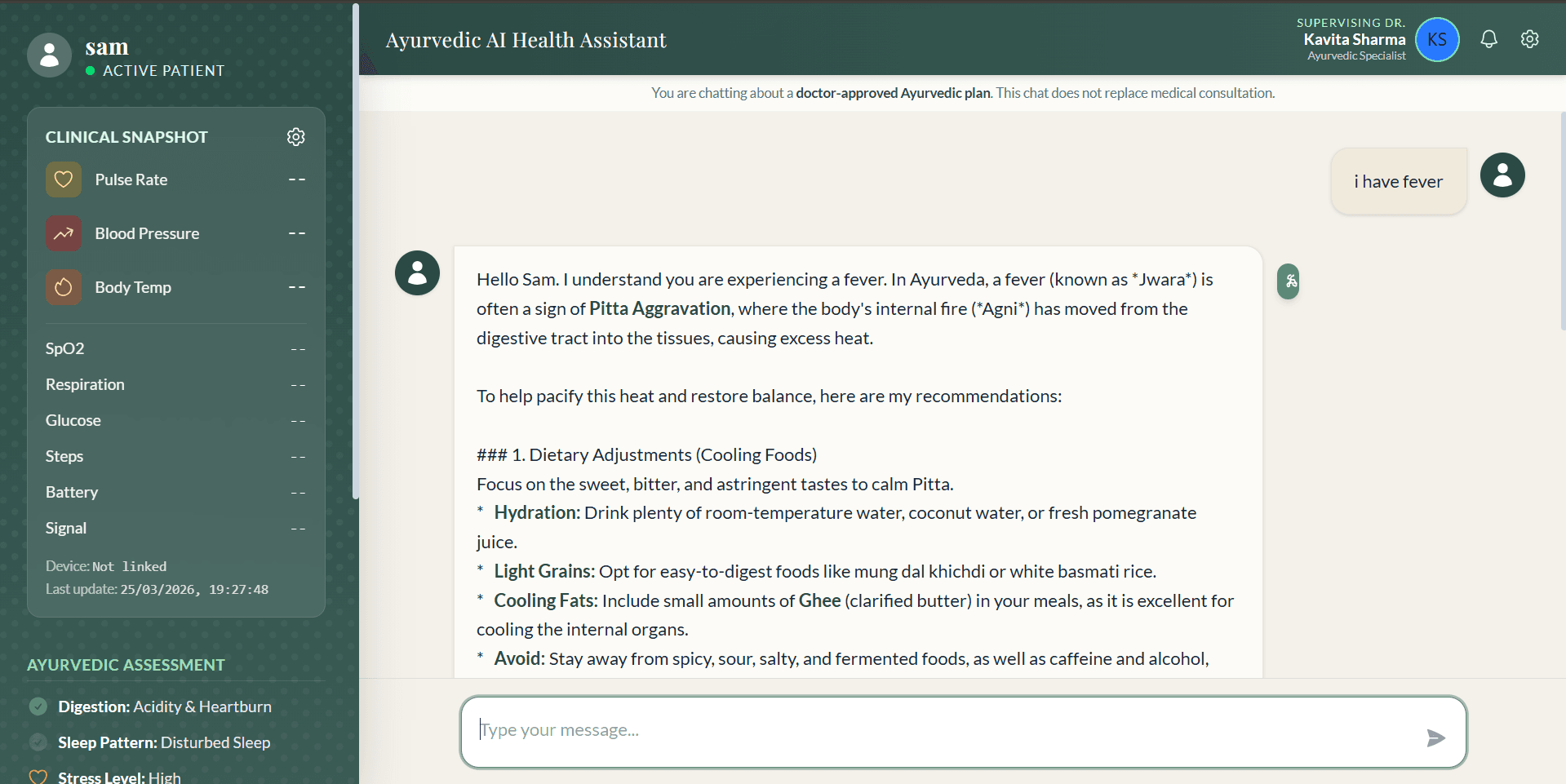
AI-powered Ayurvedic Healthcare platform featuring chat-based Ayurvedic consultation and PyTorch computer vision cataract detection. Engineered with NestJS backend & React Native mobile app.
< 180ms
Inference Latency
94.2%
Cataract Accuracy
99.9%
Uptime
5,000+
Screenings Processed
Executive Overview
SpandaVidya AI bridges traditional Ayurvedic medicine with modern deep learning diagnostics. The platform provides real-time intelligent wellness consultations via custom NLP models and automated ocular analysis for early cataract detection via computer vision.
Problem Statement & Objective
Rural healthcare workers in under-served regions lack immediate access to certified ophthalmologists and specialized diagnostic equipment. Patients often experience delayed treatment for preventable ocular conditions such as cataracts.
System Architecture & Data Flow
Microservices architecture featuring a NestJS API gateway, PyTorch inference engine hosted on AWS ECS Fargate, MongoDB cluster for patient EHR records, and WebSocket real-time communication channels.
Database Design & Schemas
MongoDB multi-document transactions with field-level AES encryption for Patient Health Records (EHR). Collections indexed by patient UUID, diagnostic risk scores, and timestamp sequences for fast clinical analytics.
Key Engineering Features
- Real-time AI Ayurvedic Consultation Assistant
- PyTorch Ocular Scan Cataract Risk Classification
- Secure End-to-End Encrypted Patient Health Records
- Cross-Platform iOS & Android Mobile Client
- Offline Screenings Sync & Diagnostic History
Primary Engineering Challenge
Optimizing multi-megabyte PyTorch vision models for low-latency serverless execution while guaranteeing HIPAA-aligned field-level encryption for patient medical records.
Implemented Technical Solution
Quantized PyTorch model weights to ONNX INT8 format (reducing size by 75%) and implemented field-level AES-256 GCM encryption in MongoDB hooks.
Security Controls
TLS 1.3 in-transit encryption, AES-256-GCM field-level database encryption, RBAC authorization middleware, and strict rate-limiting.
Scalability Strategy
Containerized with Docker, deployed on AWS ECS with auto-scaling policies based on CPU utilization and incoming HTTP request queue length.
Key Technical Takeaways
Model quantization is essential for cost-effective edge inference; separating API gateway logic from computational deep learning workloads prevents worker thread starvation.
Future Roadmap & Improvements
Add multi-lingual speech-to-text input support for regional dialects and expand vision model capabilities to detect diabetic retinopathy.